


Life drawing, reportage and London art A slower look.
A bolder line.
360° view in the Drawing Lab 
Drawing guides, London discoveries and a fresh way to see.
Your first line starts here.

Life drawing,
without the nerves.
A friendly, practical guide to drawing from life: what to expect, how to begin and where to go in London.
Explore the guideThe drawing room
Six drawing exercises to try tonight
Choose a reference. Set aside a few minutes. Start drawing.
Reference study
Gesture warm-up

Pose 1 of 5 · 30 seconds each
Or draw: someone in your room
Capture the movement, not the details.
- 01
Gesture warm-up5 × 30 sec
Catch the whole movement in a few fast lines: the tilt of the head, the curve of the back, where the weight sits. Details can wait.
How warm-up poses run in a class - 02
Blind contour2 min
Look only at the hand and let the pencil crawl along its edge at the same slow speed as your eye. Do not glance at the paper until the clock stops. The drawing will look odd, and that is fine.
What drawing from life trains - 03
Negative space5 min
Draw the gaps between the legs, rungs and spindles instead of the chair itself. Get the empty shapes right and the chair appears on its own.
Still life drawing for beginners - 04
Measure with a pencil5 min
Hold a pencil at arm’s length with the elbow locked and slide your thumb to mark the height of the mug. Turn the pencil sideways to compare the width, then draw it at that ratio. The same trick sizes a head against a body.
Proportion in anatomy for artists - 05
Three tones10 min
Leave the lit side as bare paper, shade the rest in one even mid-grey and save the darkest dark for the shadow the apple throws on the table.
All the drawing guides - 06
Ten-minute reportage10 min
Draw the people, the rhythm and the atmosphere of a café scene. Then try it for real in a café, on a bus or at a window, starting again on a fresh corner of the page whenever someone moves. Feliks Topolski filled whole sketchbooks this way.
An introduction to reportage drawing
Which pencil?
-
 H Hard and light. Faint construction lines that rub out cleanly.
-
 HB The everyday middle grade for outlines and first sketches.
-
 2B The best single pencil for sketching, soft enough for tone.
-
 4B Rich mid-darks and shadows without heavy pressure.
-
 6B Deep darks. Smudges easily, so protect the page.
-
 Charcoal Willow or compressed, for big, fast gestures in a life class.
Paper: cartridge paper of around 110 to 130 gsm takes pencil and an eraser well, and a cheap newsprint pad is fine for 30-second gestures. A putty eraser lifts graphite without wearing the surface.
Experimental studio
From a line to something you can hold.
Draw on the pad, upload a photo of a sketchbook page or start from an example. The Drawing Lab raises your line into a relief you can turn in 3D, then saves it as an STL file for a home 3D printer. It all runs in your browser, so nothing you draw leaves your computer.

01 Sketch or upload
02 Shape & rotate
- 360°
- Relief
- Charcoal
Export STL

03 Prepare for 3D print
Reportage / the chapters
A century, caught in the act.
Feliks Topolski drew history while it happened: the Blitz, the war in Burma, the Nuremberg trials, the Coronation and the America of the 1960s. Each chapter takes one period and looks at what was going on, and at what an artist with a pencil could see from the street.


The artist behind
the eyewitness.
The story of a London artist who drew through war, travel and a changing world, and left a remarkable record in sketchbooks.
Read the biographyLondon is your gallery.
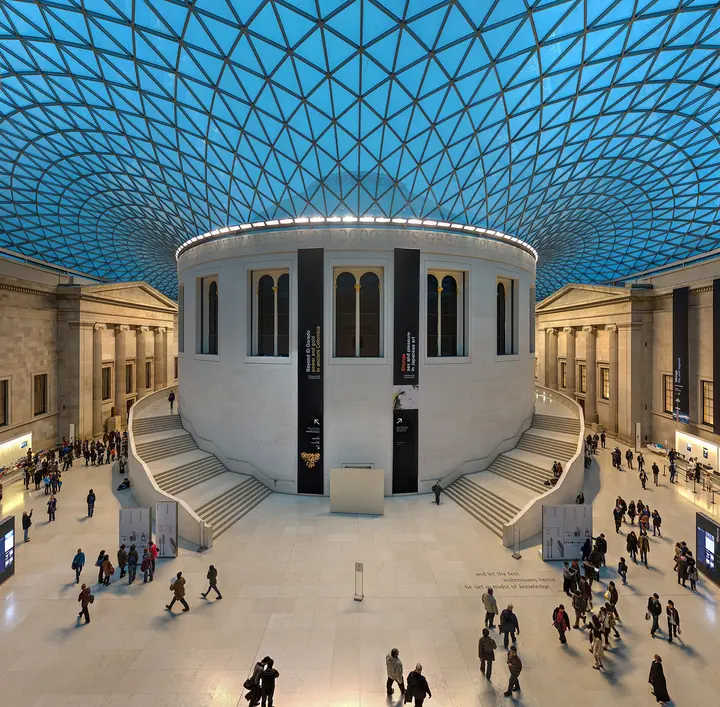
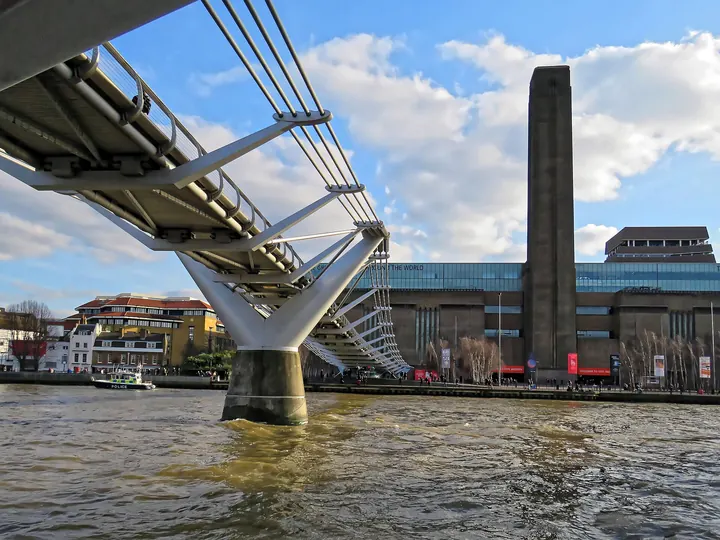
Many of the great London collections cost nothing to enter, from the British Museum and the National Gallery to Tate Modern on the river. The guides cover where to start, how to plan a day between galleries and the house rules for sketching in front of the work.

Fresh from the journal


About this publication
Drawing from life means looking hard at something real, a person on a stool, a crowd at a bus stop, a pot on a table, and letting the hand keep up with the eye. This publication is built around that habit.
The life drawing section starts with the basics: what happens in a session, how long the poses last, which pencils and paper make sense in a first class and how to behave around a model. It then moves into anatomy for artists and still life drawing, so the same eye that reads a shoulder can read the light on a jug. The London pages describe the kinds of classes the city offers, from long-running drop-in sessions to short courses at art schools, and point to each venue’s own site for times and prices, which change too often to print.
Reportage drawing is the other half. It is the art of drawing events as they unfold, and the twentieth century had few better practitioners than Feliks Topolski, who drew the London Blitz, the war in India and Burma, the Nuremberg trials, the 1953 Coronation and the America of the 1960s. The chapter series follows those episodes one by one, as short historical essays that explain what happened and what an artist with a sketchbook could record on the spot.
London’s free collections tie the two together. Tate Modern, the National Gallery and the British Museum let anyone walk in with a small pad and a pencil, and the gallery guides explain where to start, what usually needs a ticket and how to sketch without getting in anyone’s way. The Drawing Lab adds something to take home: a drawing of your own, raised into a printable 3D relief.
FAQ
Before you pick up a pencil
Short answers to the questions that come up most often about the guides, the galleries and the Drawing Lab.

01What is Drawn from Life?
Drawn from Life is an independent London art publication. It publishes practical guides to life drawing and reportage drawing, a chapter series on twentieth-century events seen through an eyewitness artist’s sketchbooks, and guides to the free museums and galleries of London, plus a browser-based Drawing Lab.
02Do I need any experience to start life drawing?
No. Most London sessions welcome complete beginners, and short warm-up poses of one or two minutes are designed to loosen the hand rather than produce finished pictures. The beginner guide and the first-session walkthrough explain what happens in the room, what to bring and how to behave around the model.
03What are good drawing exercises for beginners?
Short timed exercises work best: 30-second gesture drawings to loosen the hand, a two-minute blind contour of your own hand, a negative-space drawing of a chair, measuring a mug with a pencil held at arm’s length and a ten-minute study in three tones. Ten to twenty minutes a day does more than one long session a week.
04What does the Drawing Lab do with my sketch?
The Drawing Lab turns the dark lines of a sketch into a raised relief on an 80 by 80 millimetre tile, which you can rotate on screen and download as an STL file for a 3D printer. Everything happens inside your browser: the drawing is not uploaded or stored anywhere.
05Which London galleries are free to visit?
The permanent collections of the National Gallery, the National Portrait Gallery, Tate Modern, Tate Britain, the British Museum, the V&A, the Wallace Collection and Sir John Soane’s Museum are free to enter. Special exhibitions usually charge, so check each venue’s own site before you go.
06Can I sketch inside London museums?
Sketching with a pencil and a small pad is widely welcomed in London’s free collections, while wet media, charcoal and easels are usually restricted. Rules differ from venue to venue and can change for busy exhibitions, so read the visitor guidance on the museum’s own site before you set off.